
Modern Dating Fatigue: Why Everyone Feels It and How to Push Through
Modern dating fatigue isn't a personal weakness — it's a structural condition. Here's why it happens, what makes it worse, and the small habits that fix it.
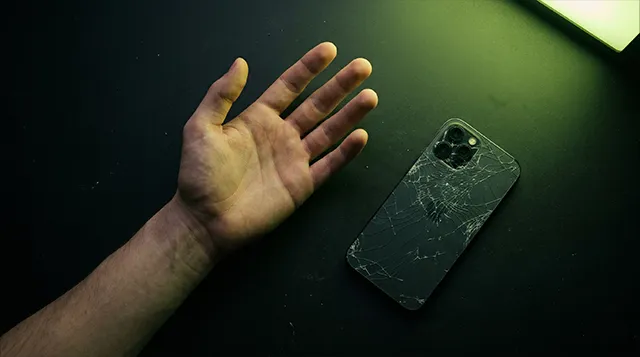
Modern dating fatigue isn’t dramatic or new — it’s just everywhere now. Almost every dating-app user past their first six months feels it. The mistake is treating it as a personal weakness instead of a structural condition.
Here’s why it happens and what actually helps.
What dating fatigue actually is
Dating fatigue isn’t burnout from one bad week. It’s a slow accumulation of:
- Decision fatigue from too many low-stakes choices (swipe yes, swipe no, repeat)
- Asymmetric effort (you write thoughtfully, get “haha cool” back)
- Hope-deflate cycles (excited about a match → disappointed when it dies)
- Optionality paralysis (with 100 matches available, none feel worth investing in)
- The performance overhead of being “interesting” on demand
After six months, the accumulated weight is real. Your brain starts treating opening the app like a small chore.
Why “just take a break” advice fails
The most common advice is to delete the app and recharge. It works for one week, then you reinstall and the same loop starts.
The problem: the structural inputs that produced the fatigue haven’t changed. Same app, same mechanic, same outcomes.
A real break needs a structural change, not just a pause.
Five things that actually help
1. Switch the app mechanic, not just the app
If swipe apps fatigue you, the answer isn’t a fourth swipe app. Try a fundamentally different mechanic — location-based, prompt-based, niche-interest.
The mechanic shapes the experience. The same person feels different on a swipe app vs a location-based app, in measurable ways.
2. Set the smallest workable goal
“Find a partner this year” is too big and too vague. The goal should be something you can act on this month:
- Two real first dates
- One person you want to see again
- Three good conversations
Specific small goals reframe matching from “infinite job” to “small task with finite scope”.
3. Cap your time
15 minutes a day, set a timer. Anything past 15 is diminishing returns and adding to fatigue.
The 15-minute cap also forces you to be more intentional in those minutes. Less mindless swipe-scrolling, more “is this person actually a yes?“
4. Move conversations to plans fast
Pen-pal threads are the #1 source of fatigue. They feel like investment but produce nothing.
Rule: by message 5, suggest a specific time and place. If they say no or vague-decline, archive and move on. The decisive momentum prevents the slow drift into stale threads.
5. Prune your matches monthly
Open your matches list once a month. Archive everyone you haven’t messaged in 30 days. Unmatch anyone you don’t recognize.
A clean matches list reduces the visual cognitive load. You stop seeing “100 matches you’ve ignored” every time you open the app.
What makes fatigue worse
- Bedtime app sessions. Lowest signal time of day, highest emotional impact. Stop.
- Comparing to friends. Your dating-app experience isn’t the same as theirs. Statistical anomalies cluster — someone in your friend group is having a great year, doesn’t mean you should be too.
- Reading dating-app subreddits. Most are echo chambers of frustration. They make every problem feel universal and inescapable.
- Mixing apps with anxiety triggers. If you tend to spiral, the app + anxiety combo is brutal. Have a no-app rule for 60 minutes around your worst times.
The structural answer
The honest truth: most dating apps weren’t designed to optimize for the user finding a partner quickly. They were designed to optimize for engagement (time spent, swipes per session, return visits).
That misalignment is the source of dating fatigue, full stop. The user wants out of the funnel. The app wants the user in the funnel.
The cure for fatigue is finding tools that align with what you actually want — not “more matches”, but “fewer matches I’d actually meet up with.”
This is the structural argument for proximity-first apps. They cap the number of matches at the size of your physical neighborhood, which forces quality over quantity by design. They’re materially less fatiguing.
On Mapdate
The reason map-based dating apps feel different: there’s no infinite feed to swipe through. The map shows you who’s around. You see them. You decide. There’s a finite, real, geographic limit to “available matches.”
That finite-ness is anti-fatigue. Your brain doesn’t habituate to a finite map.
TL;DR
- Dating fatigue is structural, not personal
- Switch mechanic (not just app) to fix it
- Cap time at 15 min/day, set small monthly goals
- Move to a real plan by message 5
- Prune matches monthly
- Avoid bedtime sessions, comparison spirals, app+anxiety combos
Most fatigue is fixable in a month with the right structural changes. Don’t quit dating — change how you do it.
See it for yourself.
Mapdate is free to download. Live map, real people, real connections.
Keep reading
-
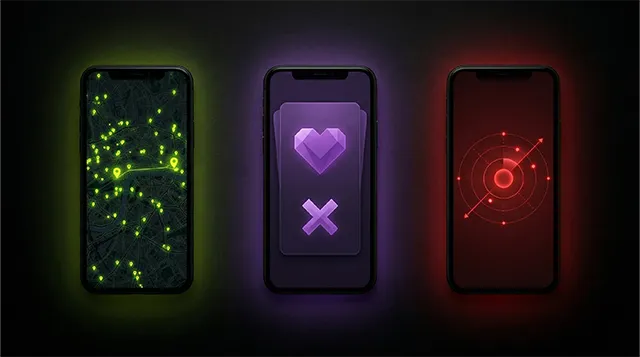
Best Dating Apps in 2026: An Honest Comparison
An honest, no-PR comparison of the best dating apps in 2026 — what each one is actually good for, who it's right for, and where each one falls short.
-

30 First Date Questions That Aren't Boring (And 10 to Avoid)
First date conversation can be brutal if you fall back on the standard questions. Here are 30 first-date questions that actually create connection — and the 10 that kill it.
-
20 Second Date Ideas That Build on the First One
First dates filter for chemistry. Second dates build on it. Here are 20 second-date ideas that level up from coffee-and-questions to actually getting to know someone.