
Voice Notes on Dating Apps: The Secret Weapon Most People Aren't Using
Voice notes are the most underused feature in modern dating apps. Here's why they convert better than text, when to send them, and how to get the format right.
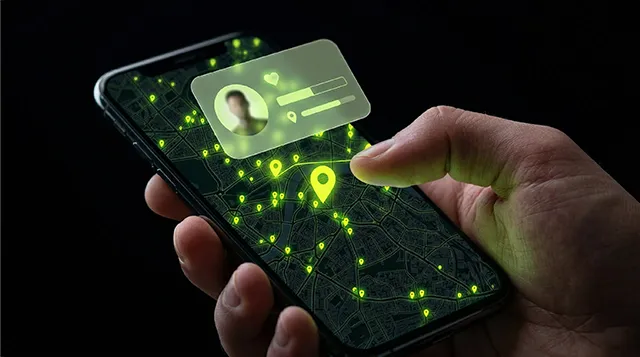
Voice notes on dating apps changed the game more than most people realized. The conversion rates from voice-message threads to in-person dates are materially higher than text-only threads — and yet most people still don’t use them.
Here’s the case for voice notes and how to actually use them.
Why they work
A voice note carries information that text can’t:
- Tone of voice. Are they warm? Dry? Nervous? Confident? You hear it instantly. Text has to imply tone via emoji and punctuation, badly.
- Cadence. How fast they speak, how they pause, how they laugh. This is character data that doesn’t compress to text.
- Real-time presence. A voice note is recorded in one take. There’s no editing, no AI-assistance, no overthinking. It’s the closest you get to meeting someone before meeting them.
- Genuineness signal. Sending a voice note over text shows the person isn’t hiding behind written persona. That itself is a positive signal.
For the listener: 30 seconds of voice tells you more about whether you’ll click than 30 messages.
When to send your first one
Not in the first message. That’s too much.
The right time: after 3-5 substantive text exchanges, when the conversation has clear momentum. Send a voice note as a small escalation — a 20-30 second answer to whatever they just asked, in your actual voice.
Length
The sweet spot: 15-45 seconds.
Under 15 seconds and it feels like a snippet. Over 45 seconds and you’re delivering a monologue.
If you have more to say, break it into two back-to-back. Two 30-second notes feel like two thoughts. One 90-second note feels like a podcast.
What to put in them
Best uses:
- A small story about your week, a thing that happened, an observation
- Answer their question with more texture than text allows
- React to something they sent — “had to voice-note this”
Worst uses:
- A monologue about your job / yourself
- Anything you’d be embarrassed if screenshotted
- Replacing text every time (voice is escalation, not default)
The format
- Casual hello — “Hey, sending a voice note quickly because…”
- The substance — 20 seconds
- A small question / hook for them
- End cleanly on the question
Think really short podcast: intro → substance → outro.
Mistakes to avoid
- Recording in a noisy place. Step into a quiet corner.
- Mumbling. Enunciate, don’t multitask.
- Re-recording 5 times. The whole point of voice is unedited rawness.
- 1am voice notes. Often read as drunk-dialing. Wait until morning.
What it tells you about them
When they reply in voice, you learn fast:
- Do they sound like they wrote? (Match = green light.)
- Comfortable on voice? (Comfort in person too.)
- Sense of humor? (Voice carries comedy way better than text.)
- Actually interested? (You can hear it.)
A few voice exchanges compress weeks of pen-pal chat into one accurate read.
Location-based apps specifically
Mapdate lets users include a voice intro on the profile — you hear someone before messaging them. This filters at the profile-view level: if the voice intro doesn’t land, you scroll past, saving everyone time.
TL;DR
- Voice notes are the most underused dating-app feature
- Send the first one after 3-5 messages, not earlier
- 15-45 seconds, casual hello + story/question + clean close
- They carry tone, cadence and genuineness that text can’t
- One voice exchange = weeks of text in signal value
See it for yourself.
Mapdate is free to download. Live map, real people, real connections.
Keep reading
-
Best Dating Apps in 2026: An Honest Comparison
An honest, no-PR comparison of the best dating apps in 2026 — what each one is actually good for, who it's right for, and where each one falls short.
-

30 First Date Questions That Aren't Boring (And 10 to Avoid)
First date conversation can be brutal if you fall back on the standard questions. Here are 30 first-date questions that actually create connection — and the 10 that kill it.
-
20 Second Date Ideas That Build on the First One
First dates filter for chemistry. Second dates build on it. Here are 20 second-date ideas that level up from coffee-and-questions to actually getting to know someone.