
Why Gen Z Is Leaving Swipe Apps for Location-Based Dating
Gen Z grew up on swipe apps — and they're the generation most burned out by them. Here's why the shift to location-based, context-first dating is driven by the youngest users.
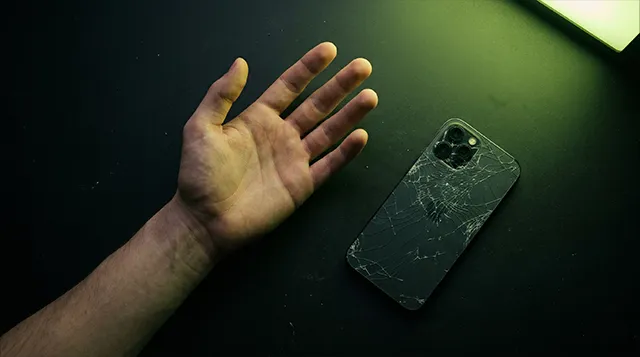
There’s an irony at the heart of Gen Z’s relationship with dating apps: this is the first generation that grew up with them, and they’re the generation most burned out by them. Born between 1997 and 2012, Gen Z entered the dating market as digital natives — and within a few years, they were coining the term “swipe fatigue.”
Now, the data shows a clear shift. Gen Z is the fastest-growing demographic on location-based, context-first dating platforms. Here’s why.
Gen Z and the Authenticity Crisis
Gen Z grew up alongside social media. They understand, at an almost cellular level, the difference between curated presentation and authentic reality. They were the first generation to grow up seeing the gap between someone’s Instagram and their actual life — and they became deeply attuned to detecting inauthenticity.
Swipe-based dating apps are, by design, platforms for curation. You pick your best photos. You craft a bio. You present a highlight reel. For a generation that already spends enormous energy managing online personas, this feels like yet another performance. The feedback they give overwhelmingly is: they want something that feels real.
78%
Of Gen Z say “authenticity” matters more than volume of matches
71%
Report feeling burned out by swipe interfaces (vs 38% of Gen X)
The “Just Friends” Gateway
Gen Z is also less likely to use dating apps exclusively for romantic connection. A significant proportion use them to find friends, activity partners, and local community. Traditional swipe apps, built explicitly around romantic/sexual matching, feel too high-stakes and too narrow.
Map-based apps, which show you people nearby regardless of stated intent, are better aligned with how Gen Z actually thinks about social connection: fluid, low-pressure, and context-dependent. You might match with someone and become friends. Or more. The map doesn’t pre-judge.
IRL Culture Is Back
If there’s one dominant cultural shift in Gen Z’s social life after the pandemic years, it’s a hunger for in-person experience. Concerts, markets, pop-ups, local events — the generation that was forced online for years came out with a fierce appetite for physical, shared space.
Dating app behaviour reflects this. Gen Z wants to meet quickly, in real places. They have low patience for long text conversations that lead nowhere. The stat speaks for itself: 55% of Gen Z say they want to meet IRL within the first week of matching — compared to 31% of Millennials.
Location-based apps cut the distance between app and IRL to near zero. When someone is 400 metres away, “want to grab a coffee?” isn’t a leap — it’s the obvious next message.
Distrust of Algorithmic Matching
Gen Z is the most algorithm-aware consumer generation ever. They understand that swipe apps optimise for engagement, not for successful relationships. They’ve read the articles about how Match Group’s financial incentives work. They know the apps make more money from frustrated users who keep swiping than from users who find a partner and leave.
This awareness generates a deep scepticism toward algorithmic curation. Location is different. Proximity is a real-world fact, not a recommendation engine’s suggestion. “They’re near me right now” is an objective signal, not a black-box output. Gen Z trusts that more.
Stories over static profiles
Gen Z pioneered ephemeral content — they grew up on Snapchat and Instagram Stories. They’re comfortable with the idea that content should be temporal, situational, and unpolished. A dating app that lets you post a Story showing what you’re doing right now maps perfectly onto how Gen Z already thinks about self-expression.
On Mapdate, Stories are the primary self-expression tool alongside profile photos. This design choice is not accidental — it aligns with how Gen Z communicates authentically.
What This Means for the Dating Market
Gen Z is now the largest demographic in the dating app market. Their preferences don’t just influence niche products — they set the direction for the entire sector. The features that matter to Gen Z (authenticity, proximity, IRL speed, ephemeral content, low-pressure matching) are increasingly the features that define what a competitive dating app looks like in 2026.
Bottom line: Gen Z didn’t abandon swipe apps because they stopped wanting connection. They abandoned them because the swipe model is a bad fit for how they actually think about authenticity, IRL experience, and social fluidity. Location-based dating gives them what swipe apps promised but never delivered: the feeling that the person on the other side of the screen is actually, genuinely, nearby.
See it for yourself.
Mapdate is free to download. Live map, real people, real connections.
Keep reading
-
Modern Dating Fatigue: Why Everyone Feels It and How to Push Through
Modern dating fatigue isn't a personal weakness — it's a structural condition. Here's why it happens, what makes it worse, and the small habits that fix it.
-

How to Meet People Without Apps (and What Apps Get Wrong About IRL Meeting)
If dating apps aren't working, try the other thing: meeting people in real life. Here's the structural approach to IRL meeting in 2026 — and why apps still play a role.
-
Map-Based Dating: Why Location-First Beats Swipe-First
Endless swipe feeds are exhausting and gamified. Here's why location-first dating apps like Mapdate — where you see real people on a live map — create more authentic, faster connections.